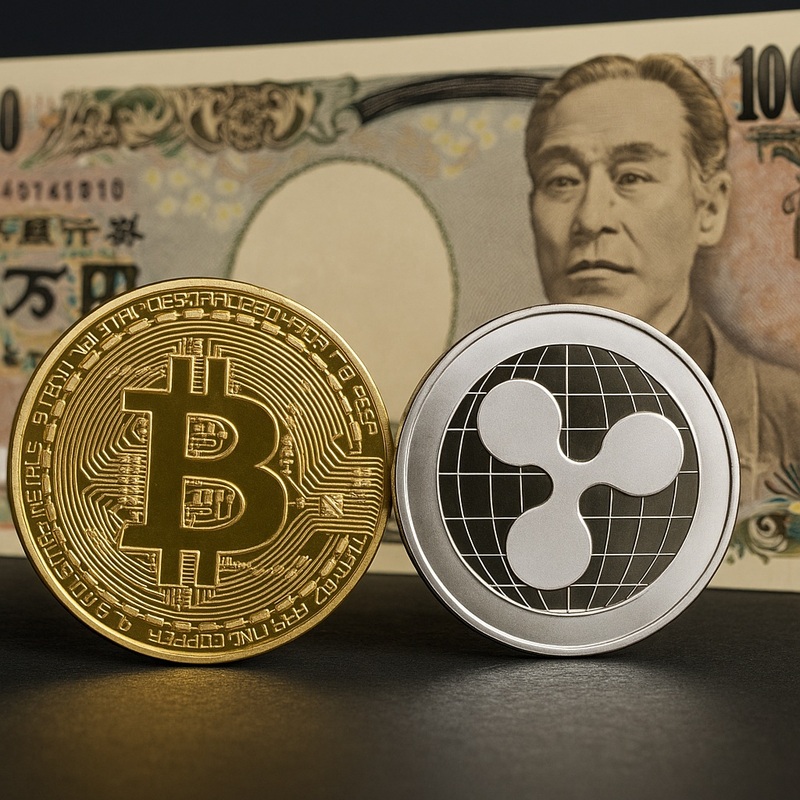
 ▲ Bitcoin (BTC), XRP, Japanese Yen (JPY)/ChatGPT-generated image |
Japan has reached a critical crossroads, facing an early general election that will serve as a major political test as it seeks to overhaul a high-tax regime that has constrained the digital asset industry for years.
According to crypto-focused media outlet Decrypt on February 7 (local time), Japan’s digital asset industry is closely watching the election outcome, viewing it as a key variable in determining whether separate taxation on crypto gains will be introduced. A tax reform plan promoted by the ruling Liberal Democratic Party proposes replacing the current comprehensive tax rate, which can reach as high as 55%, with a flat 20% rate and allowing the carryforward of losses. If the ruling bloc wins the election, the reform is expected to gain momentum, but failure to secure enough seats could push tax benefits critical to the industry’s survival back into uncertainty.
Digital Minister Masaaki Taira, who has led digital policy efforts within the Liberal Democratic Party, has consistently emphasized that digital assets represent a new engine of growth for the Japanese economy and has pledged strong institutional support. He has stressed that tax reform lowering barriers for investors is essential if Japan is to reemerge as a global hub for Web3 and blockchain technologies. However, growing political uncertainty and strong opposition party resistance have fueled market concerns that the previously agreed direction of regulatory easing could be undermined.
Major industry groups, including the Japan Virtual Currency Exchange Association (JVCEA), have urged swift action from policymakers, warning that delays in tax reform could accelerate the overseas relocation of promising domestic startups. While the Financial Services Agency (FSA) is also reviewing measures to align crypto taxation with that of other financial products, the final legislative outcome is expected to depend on the post-election political landscape. Industry participants argue that this election must become a catalyst for securing reform momentum if Japan is to keep pace with competitors such as Singapore and Dubai.
Investors are now focused on how the election results will affect liquidity in the digital asset market. If a 20% separate tax rate is introduced, it is expected to inject fresh vitality into the market by drawing in substantial capital from retail investors who had previously hesitated due to tax burdens. Conversely, if post-election sentiment shifts toward stricter regulation, Japan’s digital asset market could once again fall into stagnation, potentially diminishing the country’s standing in the global market.
This election represents more than a redistribution of parliamentary seats; it is a pivotal moment that will determine whether Japan evolves into a digital asset-friendly nation or remains constrained by its historically strict regulatory framework. All participants in the digital asset ecosystem are closely monitoring how policy changes stemming from the vote will influence the pace of Japan’s digital economic transformation.
*Disclaimer: This article is for informational purposes only and does not assume responsibility for any investment losses based on its content. The information should be interpreted solely as reference material.*