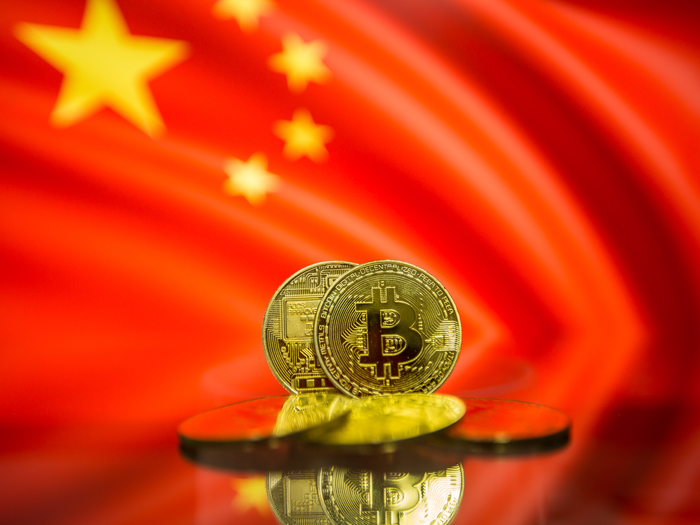
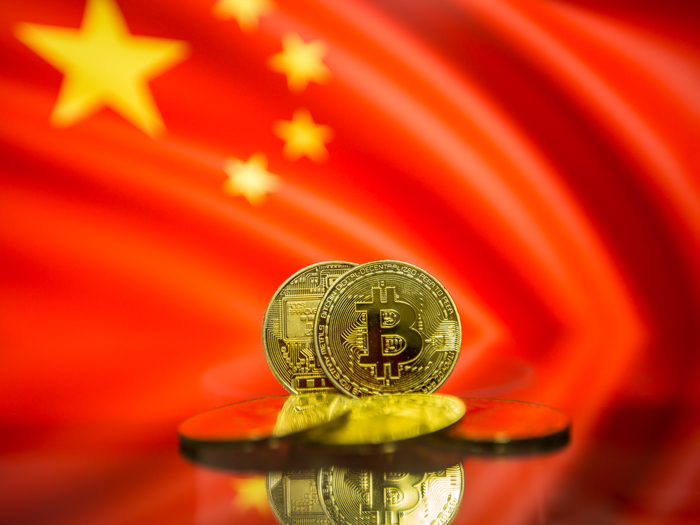
 ▲ China, Bitcoin (BTC) |
The Shanghai stock market plunged to its lowest level in a decade amid geopolitical risks stemming from the Middle East and the aftermath of airstrikes on key facilities in Iran, sending shockwaves across the entire Asian financial market.
According to crypto-focused media outlet BeInCrypto on March 2 (local time), the Shanghai Composite Index collapsed shortly after opening, losing key support levels that it had maintained for the past 10 years. The uncertainty surrounding the Chinese economy intensified sharply as Operation Epic Fury, a joint military campaign by the United States and Israel, escalated. In particular, soaring oil prices have driven up import costs, while concerns over disruptions to the global supply chain have threatened the real economy, triggering panic selling among investors.
The Chinese government has mobilized all available measures, including emergency liquidity injections and a ban on short selling, to curb the market crash, but these efforts appear insufficient to calm investor fears. The decline in the Shanghai market has gone beyond a simple index correction, leading to simultaneous drops in major Chinese energy and technology stocks. Experts note that the situation exposes the structural vulnerabilities of the Chinese economy while demonstrating how rapidly shifting geopolitical conditions can have devastating effects on emerging markets.
Capital in the stock market is rapidly moving away from risk assets toward safe havens. As gold prices hit record highs, Bitcoin (BTC) is also being tested for resilience after a temporary dip. The turmoil in traditional financial markets is impacting the digital asset sector as well, prompting investors to rebalance their portfolios. In particular, volatility is expected to increase further amid speculation that Chinese investors may turn to virtual assets as an alternative route to bypass capital outflow controls.
The Shanghai stock market is now considered to have entered a technically dangerous zone. With the index reverting to levels seen a decade ago, further downside remains possible, and if military conflicts in the Middle East persist, China’s export-driven economic structure could suffer even greater damage. Global investment banks have collectively downgraded their outlook on Chinese equities and are advising a cautious approach for the foreseeable future.
The unprecedented turmoil in China’s stock market is expected to become a major inflection point reshaping the global financial landscape. The collapse of the Shanghai index, a central pillar of Asian markets, is exerting cascading downward pressure on neighboring markets such as Hong Kong and Japan. Unless geopolitical stability is restored and meaningful economic stimulus measures are implemented by the Chinese government, the current downturn is likely to persist for a considerable period.
Disclaimer: This article is provided for investment reference purposes only, and no responsibility is assumed for any investment losses incurred based on it. The content should be interpreted solely for informational purposes.