 ▲ Stablecoin |
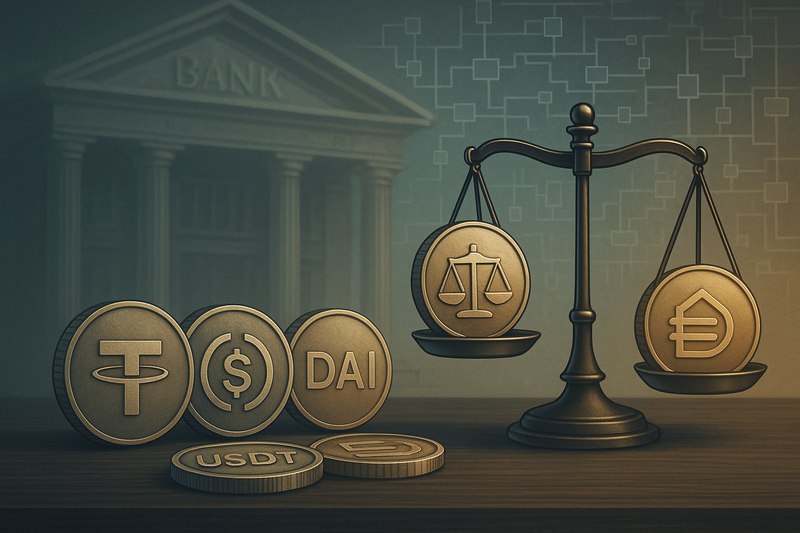
The U.S. Securities and Exchange Commission (SEC) has significantly reduced the capital reserve burden associated with broker-dealers’ holdings of stablecoins, marking a historic turning point in which digital assets are officially recognized as core assets within the traditional financial system.
According to cryptocurrency-focused outlet BeInCrypto on February 21 (local time), SEC staff approved a measure lowering the capital deduction rate applied when calculating net capital for broker-dealers holding qualified stablecoins from 100% to just 2%. The move effectively allows stablecoins to be reflected on financial statements as safe assets similar to the U.S. dollar rather than as risky assets. Previously, broker-dealers were required to deduct the full value of stablecoins from their capital, but the latest decision improves capital efficiency by roughly 50 times.
Commissioner Hester Peirce stated that regulatory staff have formally clarified their position that punitive capital deduction rates will not be applied to qualified stablecoins. With regulatory barriers lowered, a legal foundation has been established for major financial institutions to expand payment and custody services leveraging stablecoins. To qualify, stablecoins must be redeemable one-to-one with the U.S. dollar and fully backed by sufficient reserves. By presenting strict standards to verify stability, regulators aim to enhance market transparency while encouraging institutional adoption.
Broker-dealers can now secure large-scale stablecoin liquidity at lower cost, raising expectations of significant capital inflows into the broader digital asset market. Market experts believe this decision, combined with progress on U.S. cryptocurrency market structure legislation, will accelerate institutional acceptance of the digital asset industry. In line with President Donald Trump’s administration’s pro-crypto policy stance, the move is expected to play a pivotal role in positioning the United States as a global hub for digital asset finance. As barriers to entry for institutional investors effectively collapse, the integration of traditional finance and digital assets via stablecoins is gaining full momentum.
Liquidity for major assets such as Bitcoin (BTC) and Ethereum (ETH) is also expected to benefit indirectly from the easing of stablecoin holding requirements. As broker-dealers are able to manage stablecoins as cash-equivalent assets, the flow of funds into the digital asset market is likely to expand significantly. Analysts say this could help resolve the market’s persistent liquidity shortages and expand its overall scale. The industry views the SEC’s decision as a significant signal that mainstream finance is formally recognizing digital assets as an established asset class.
The SEC’s shift toward a more accommodating stance symbolically demonstrates that the regulatory environment for digital assets is moving from suppression to promotion. As broker-dealers gain greater flexibility in asset management, liquidity supply to the digital asset market is projected to reach record levels. The pace at which the boundaries between digital assets and traditional finance are dissolving is expected to accelerate further, with stablecoins playing a central bridging role.
Disclaimer: This article is for investment reference only, and no responsibility is assumed for investment losses based on this content. The information provided should be interpreted solely for informational purposes.