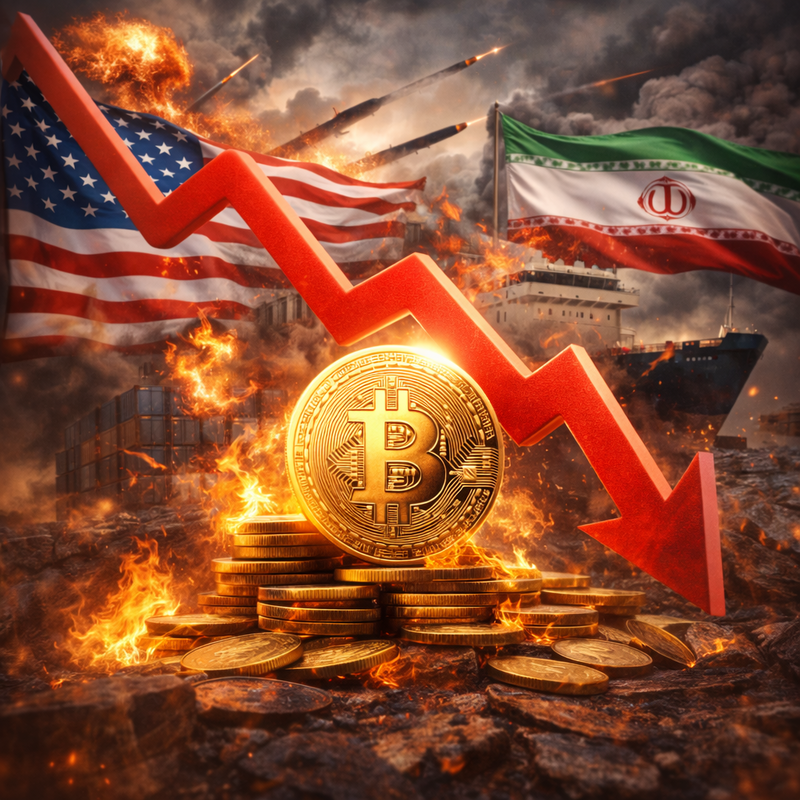
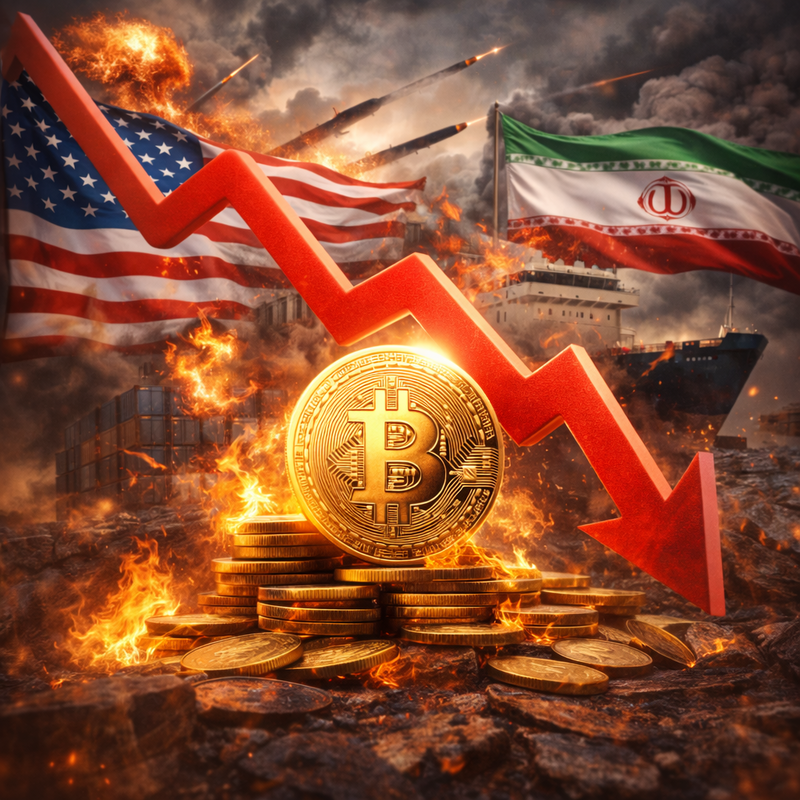
 ▲ The United States, Iran, and Bitcoin (BTC) / ChatGPT-generated image |
As the Trump administration is reportedly set to implement a universal 15% tariff starting this week, the Bitcoin (BTC) market is facing strong headwinds compounded by escalating geopolitical tensions and the threat of war with Iran.
According to crypto-focused media outlet CoinGape on March 4 (local time), U.S. Treasury Secretary Scott Bessent confirmed in a recent interview that a global universal tariff of around 15% is highly likely to take effect this week. Although Secretary Bessent projected that conditions could return to previous levels within about five months after the tariffs are imposed, markets are reacting sensitively to the immediate risk of inflationary pressure and a potential contraction in global trade. Concerns are mounting that the timing of the tariffs, coinciding with intensifying military tensions with Iran, could significantly dampen investor appetite for risk assets.
Bitcoin recently surpassed the $73,000 level, demonstrating strong recovery momentum. However, the tariff policy is being cited as a factor that could limit further price gains. Crypto analyst Darkpost noted that five consecutive days of inflows into spot Bitcoin ETFs and active buying in the derivatives market are supporting prices, but macroeconomic uncertainty stemming from the universal tariff could introduce new downward pressure. In particular, if the tariff policy drives a stronger U.S. dollar, the relative attractiveness of risk assets such as Bitcoin is likely to decline.
Tensions in the Middle East are another key factor increasing market volatility. Warnings that Iran could launch attacks involving hundreds of missiles and more than 1,000 drones, as well as potentially block the Strait of Hormuz—through which about 20% of global energy supplies pass—have pushed oil prices to their highest level in two years. Goldman Sachs CEO David Solomon cautioned that markets have yet to fully reflect the potential ramifications of a U.S.-Iran conflict, adding that prolonged geopolitical turmoil could trigger panic selling.
The Trump administration’s hardline protectionist policies and escalating geopolitical risks are presenting compounded challenges for the cryptocurrency market. However, reports that Iran has contacted the U.S. Central Intelligence Agency in an effort to end the conflict have raised hopes for a resolution. Amid the turmoil, Bitcoin has continued to rank as the top-performing asset among those with a market capitalization exceeding $1 trillion, striving to reinforce its status as digital gold.
The real economic impact of the universal tariffs and the trajectory of the potential conflict are expected to serve as key turning points for Bitcoin’s medium- to long-term price direction. As regulatory changes intersect with geopolitical risks, investors are focusing more on the specific timing of policy implementation and shifts in macroeconomic indicators than on short-term price fluctuations. Even if the market’s supply-demand structure remains solid, the risk of temporary liquidity tightening due to external shocks persists, underscoring the need for cautious market participation.
Disclaimer: This article is for investment reference only, and no responsibility is assumed for any investment losses arising from reliance on it. The content should be interpreted solely for informational purposes.