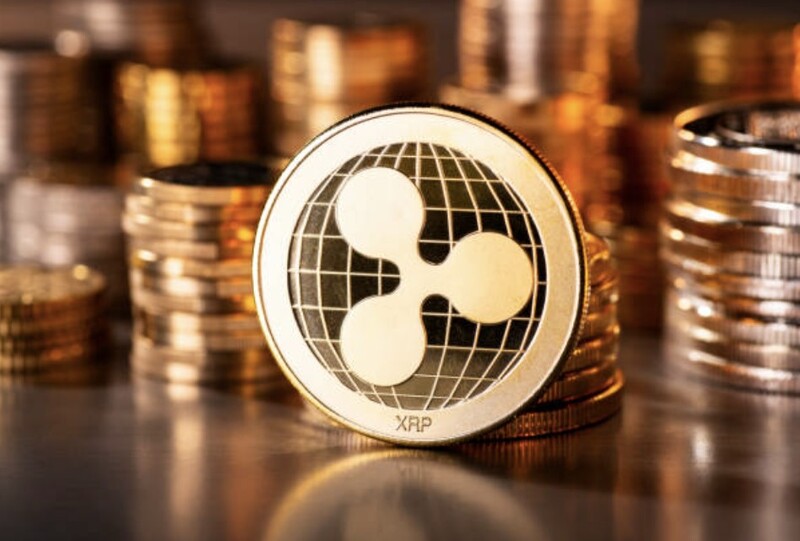
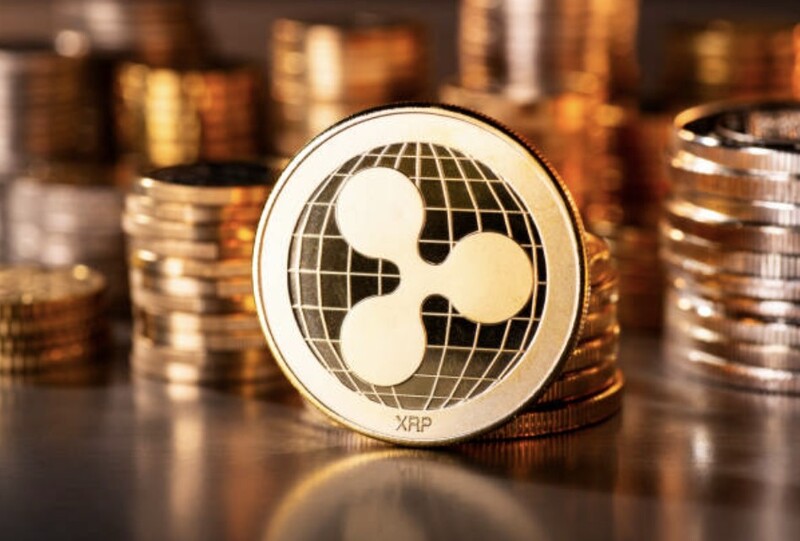
 ▲ Ripple (XRP) |
XRP (Ripple) could reach $1,000 by the end of 2026 if regulatory clarity is established in the United States and full-scale institutional adoption becomes a reality, according to a new outlook.
On March 4 (local time), cryptocurrency media outlet Finbold reported that Jake Claver, CEO of Digital Ascension Group, said in a recent interview on the Paul Barron Podcast that XRP could climb into the “three- to four-digit” price range. Assuming a circulating supply of 57 billion to 60 billion tokens, this would imply a market capitalization of approximately $60 trillion.
Claver identified widespread adoption by banks and institutional investors as the key driver of a bullish XRP scenario in 2026. Citing comments by Ripple Labs President Monica Long, he emphasized that next year’s growth momentum hinges on full institutional adoption. He explained that tens of billions of dollars would need to flow into the XRP ecosystem through investment products such as spot crypto ETFs and Digital Asset Treasuries (DATs), which are crypto-focused treasury strategy firms.
He pointed to volatility as the primary concern for the banking sector. Under the current relatively low market capitalization structure, price swings are inevitable due to capital inflows and outflows. However, he argued that if XRP’s market capitalization grows beyond a level the market can easily absorb, price stability would improve, potentially accelerating the bank adoption curve.
Regulatory clarity in the United States was also cited as a crucial variable. Following the conclusion of the SEC’s lawsuit against Ripple, XRP was ruled not to be a security. Claver predicted that once regulatory uncertainty is fully resolved, major financial institutions such as BNY Mellon, Fidelity, Citi, Franklin Templeton, and JPMorgan could utilize XRP through Ripple’s Hidden Road (now Ripple Prime) and related products.
However, the $1,000 target is based on a scenario that assumes comprehensive institutional adoption and massive capital inflows. Its realization depends on regulatory clarity, ETF fund inflows, and expanding institutional demand aligning simultaneously, suggesting that the market’s rigorous validation will be essential.
Disclaimer: This article is for investment reference only and we are not responsible for any investment losses incurred based on it. The content should be interpreted for informational purposes only.