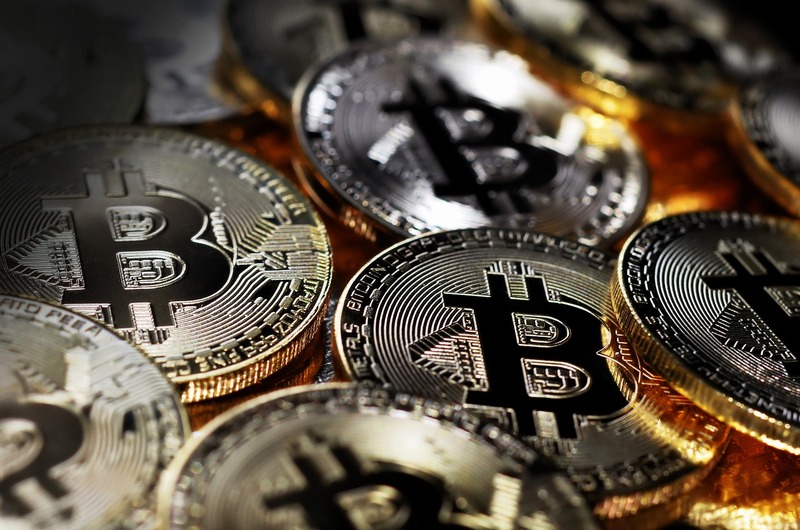
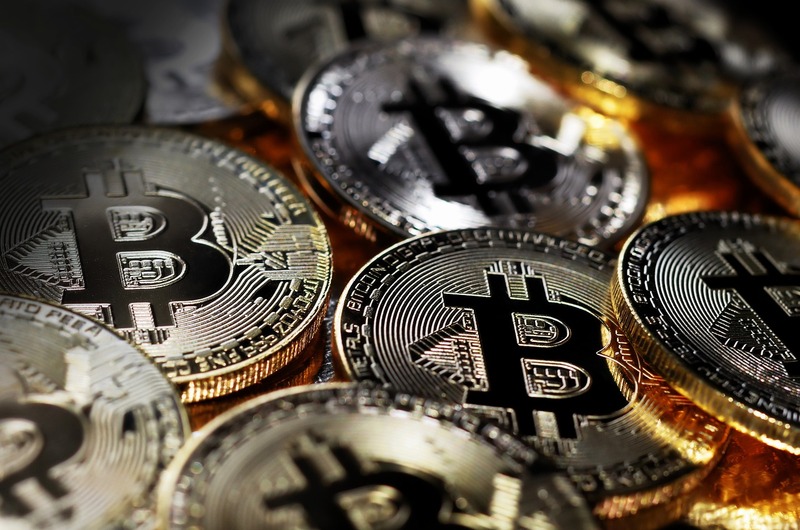
 ▲ Bitcoin (BTC) |
As military tensions in the Middle East escalate to extreme levels, analysts suggest that the virtual asset market may transition from peak fear to a recovery phase, drawing significant attention from investors.
According to cryptocurrency media outlet Benzinga on March 2 (local time), Bitcoin (BTC) once plunged below $64,000, showing severe volatility amid reports that the United States and Israel had launched large-scale military operations against Iran. However, on Sunday the 2nd, Bitcoin regained stability by recovering to the $66,000 level, while major assets such as XRP and Dogecoin (DOGE) also trimmed losses and moved sideways. Ethereum (ETH) likewise demonstrated strength, rebounding from below $1,840 to above $1,900.
Virtual asset market analyst Michaël van de Poppe assessed that the current market uncertainty has already been sufficiently priced in. “Uncertainty over whether the U.S. would attack Iran had been weighing on the market, but now that the attack has occurred, the peak of fear has likely passed,” he said. He added that this development is expected to lead to capital rotation and recovery in the near future, forecasting a positive trend for both Bitcoin and the stock market over the next one to two months.
Although investor sentiment remains in a state of extreme fear, on-chain indicators are signaling positive signs. Retail and whale investors on Binance continue to maintain a net long bias on Bitcoin, and analyst Javon Marks noted that Bitcoin is forming a hidden bullish divergence around the $67,559 level. Marks projected that this technical pattern could provide a strong support base capable of pushing Bitcoin beyond $116,652 and potentially up to a new all-time high of $126,000.
Traditional financial markets reacted sensitively to the Middle East crisis, showing a contrasting pattern to the virtual asset market. West Texas Intermediate crude oil surged past $72 per barrel, while spot gold prices exceeded $5,380 per ounce amid soaring demand for safe-haven assets, causing significant volatility in commodity markets. Warnings that international oil prices could spike to $140 per barrel if concerns over a blockade of the Strait of Hormuz become reality have kept macroeconomic uncertainty elevated. Shares of companies such as Strategy have also been exposed to market volatility, heightening investor anxiety.
The market’s immediate reaction to the military conflict resulted in $420 million in forced liquidations over the past 24 hours, yet Bitcoin’s open interest has remained largely unchanged. This suggests that despite large-scale volatility, the market’s fundamentals remain resilient. The virtual asset market has entered a phase of digesting geopolitical shocks while searching for new drivers of growth. Investors continue to take a cautious approach, monitoring further developments in the Middle East and price trends in traditional financial assets.
Disclaimer: This article is for investment reference only and we are not responsible for any investment losses resulting from its use. The content should be interpreted for informational purposes only.