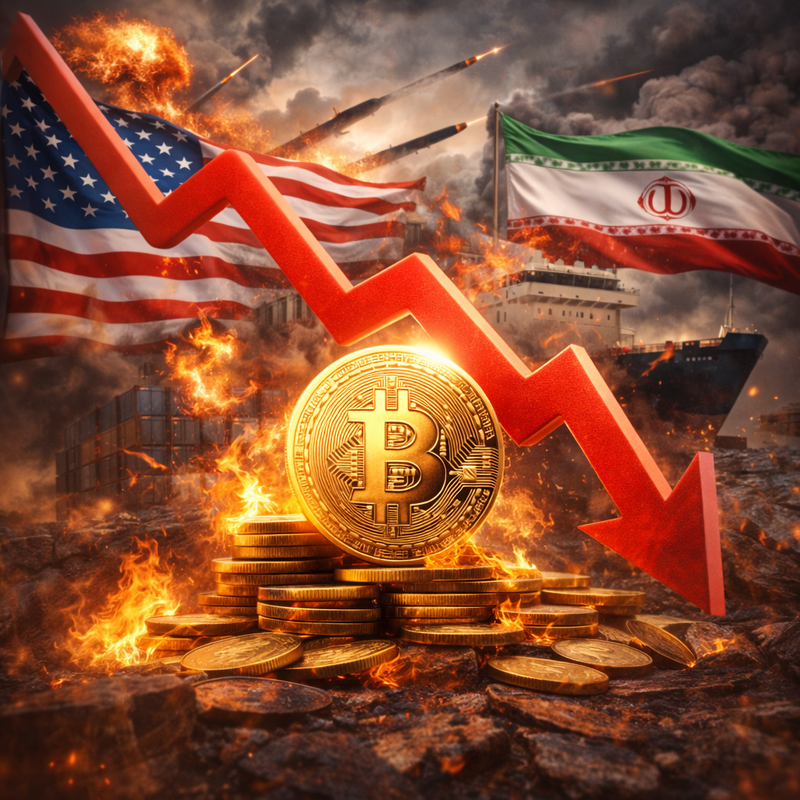
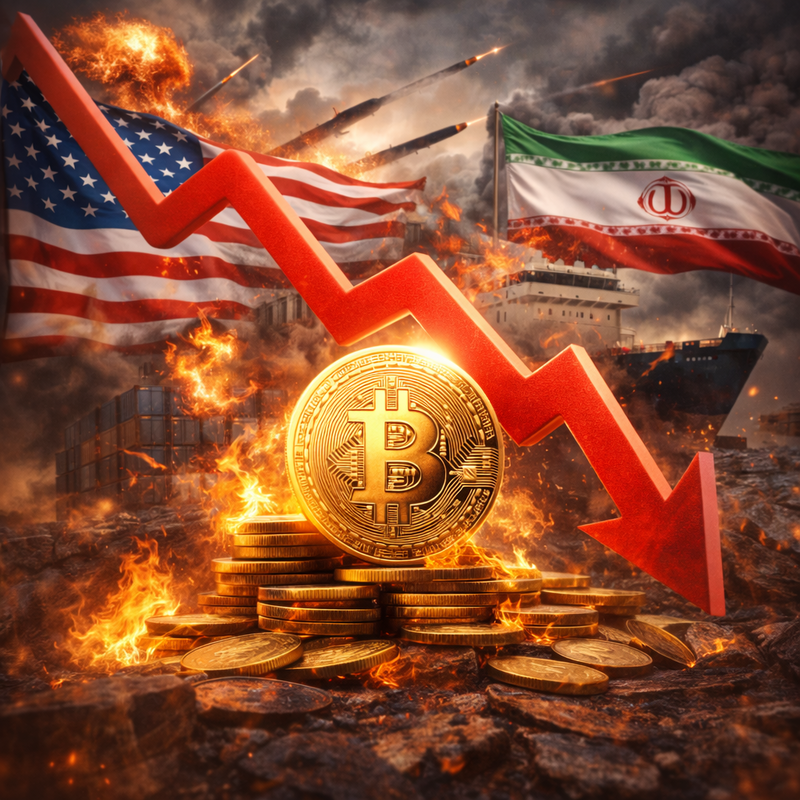
 ▲ United States, Iran, Bitcoin (BTC) / ChatGPT-generated image |
Military conflict between the United States and Iran shows signs of prolonged escalation. In prediction markets, the probability that the war will continue through May has surged to 70%, casting a shadow over the global economy and the cryptocurrency market.
According to CoinGape on March 12 (local time), major prediction markets such as Polymarket indicate that the likelihood of war between the United States (US) and Iran lasting at least until May has exceeded 70%. While President Donald Trump has expressed confidence in an early end to hostilities and highlighted the achievements of Operation Epic Fury, actual battlefield developments and Iran’s persistent retaliatory attacks have intensified market pessimism. Pentagon figures show that $11.3 billion was spent in just six days since the war began, with nearly $1 billion per day being funneled into the conflict.
Fears of a prolonged war immediately jolted energy markets. West Texas Intermediate crude oil surpassed $110 per barrel and at one point soared to $120, marking its highest level since 2022. Ongoing tensions in the Strait of Hormuz have heightened fears of supply chain disruptions and resulting inflation, dampening global financial markets. This macroeconomic uncertainty has exerted direct downward pressure on Bitcoin (BTC), fueling investor risk aversion.
Bitcoin initially appeared to rebound as it was recognized as digital gold at the onset of the conflict, but mounting concerns over fiscal tightening driven by high oil prices pushed it below the $70,000 level to around $66,000, showing significant volatility. Currently, Bitcoin is struggling to recover near the $69,000 range, while open interest in the futures market has declined sharply due to a lack of conviction about price direction. Although institutional investors are accumulating some holdings through spot ETFs, projections that the war will last until May remain a decisive barrier to large-scale capital inflows.
Experts note that despite the United States’ military superiority, economic losses are snowballing. Drone and missile attacks by Iran targeting key energy facilities in Saudi Arabia and the United Arab Emirates have effectively turned the entire Middle East into a powder keg. “We believe the war may end soon, but developments on the battlefield and rhetoric from Tehran point to a far more urgent reality,” said Wall Street analysts, reflecting prevailing market anxiety.
As the confrontation between the United States and Iran shifts toward a prolonged war of attrition, the cryptocurrency market, including Bitcoin, is expected to remain subject to geopolitical risk for the time being. Until clear signals emerge of stabilized oil prices and progress in ceasefire negotiations, a robust recovery in asset markets appears unlikely. Global investors are closely watching changes in prediction market probabilities and energy prices to gauge the depth of the economic fallout caused by the war.
Disclaimer: This article is for investment reference only, and we are not responsible for any investment losses incurred based on it. The content should be interpreted for informational purposes only.