 ▲ Bitcoin (BTC) |
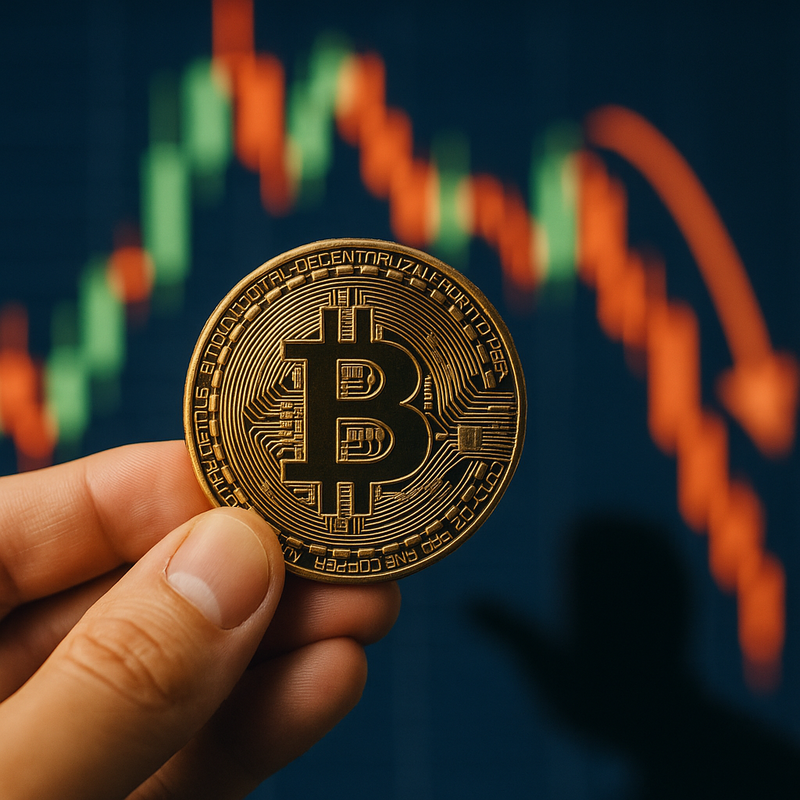
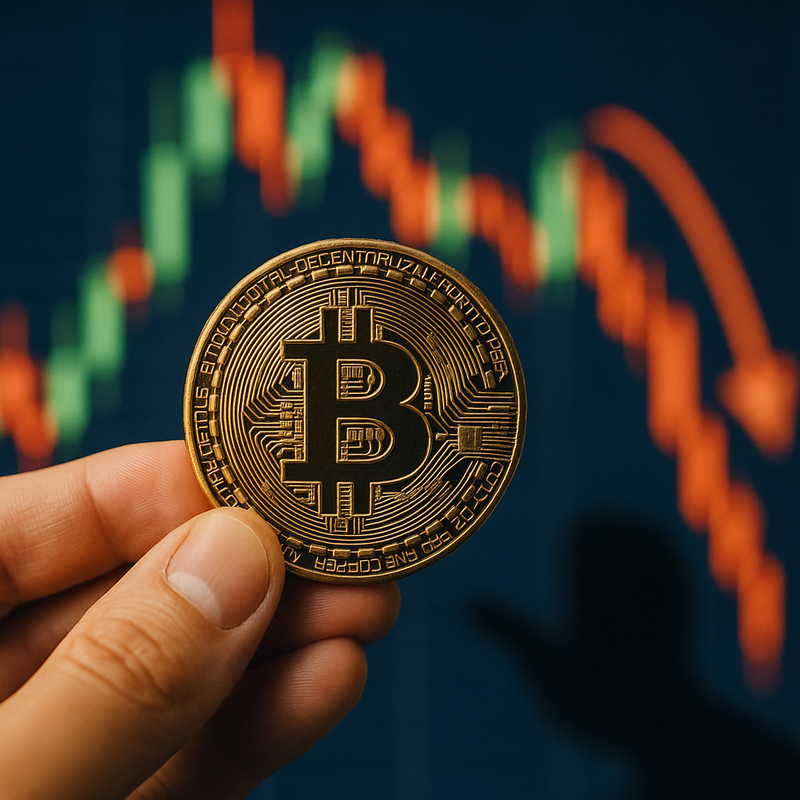
As geopolitical tensions originating in the Middle East become entrenched, Bitcoin (BTC) and major assets are struggling to regain stability following a price correction.
According to a report by cryptocurrency-focused outlet CryptoNews on March 6 (local time), international oil prices surged to their highest level in two years amid the impact of the Iran war, spreading inflation fears across global financial markets. Meanwhile, stock and bond markets have begun to stabilize at certain support levels. Following the outbreak of the war, Bitcoin fell below the $70,000 mark and at one point declined to around $68,000, but buying pressure has emerged to prevent further sharp losses, testing its downside support.
In the stock market, the S&P 500 and Nasdaq indices have halted their decline near recent monthly lows and entered a consolidation phase. Although airlines and manufacturing sectors face unavoidable cost pressures from higher oil prices, expectations of improved earnings among energy companies are helping to cushion index declines. Market experts noted that while uncertainty surrounding the war remains high, a significant portion of the risk has already been priced in, suggesting that short-term panic selling has subsided.
The bond market has also entered a stabilization phase, with Treasury yields halting their sharp rise and hovering within a certain range. Surging oil prices have fueled concerns that the Federal Reserve may delay potential rate cuts, putting pressure on bond prices. However, safe-haven demand has limited the increase in yields. In the interest rate futures market, a pessimistic outlook projecting only a single rate cut this year has gained traction, significantly slowing the anticipated pace of liquidity supply.
Within the digital asset market, large-scale outflows from spot Bitcoin ETFs have worsened supply-demand dynamics. After three consecutive days of inflows, a net outflow of $228 million in a single day indicates that institutional investors are reacting sensitively to geopolitical risks. Nevertheless, major altcoins such as XRP and Solana (SOL) are tracking Bitcoin’s price movement and attempting to narrow their losses.
Financial markets are currently passing through a transitional phase, seeking a new equilibrium amid the combined variables of high oil prices, inflation, and interest rate policy. Unless military tensions in the Middle East ease, a full-fledged rebound in risk assets is likely to remain challenging. Investors are maintaining a cautious approach while closely monitoring changes in macroeconomic data. Whether Bitcoin can reclaim the $70,000 level and restore market sentiment is expected to be a key factor in determining the broader direction of the overall asset market.
Disclaimer: This article is provided for investment reference purposes only, and we are not responsible for any investment losses incurred based on this information. The content should be interpreted solely for informational purposes.