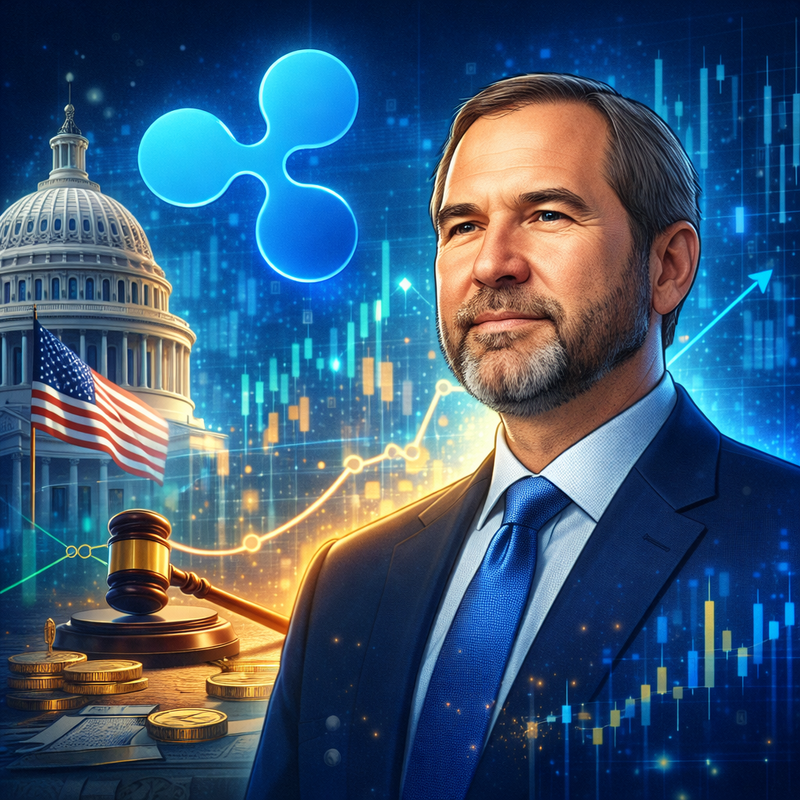
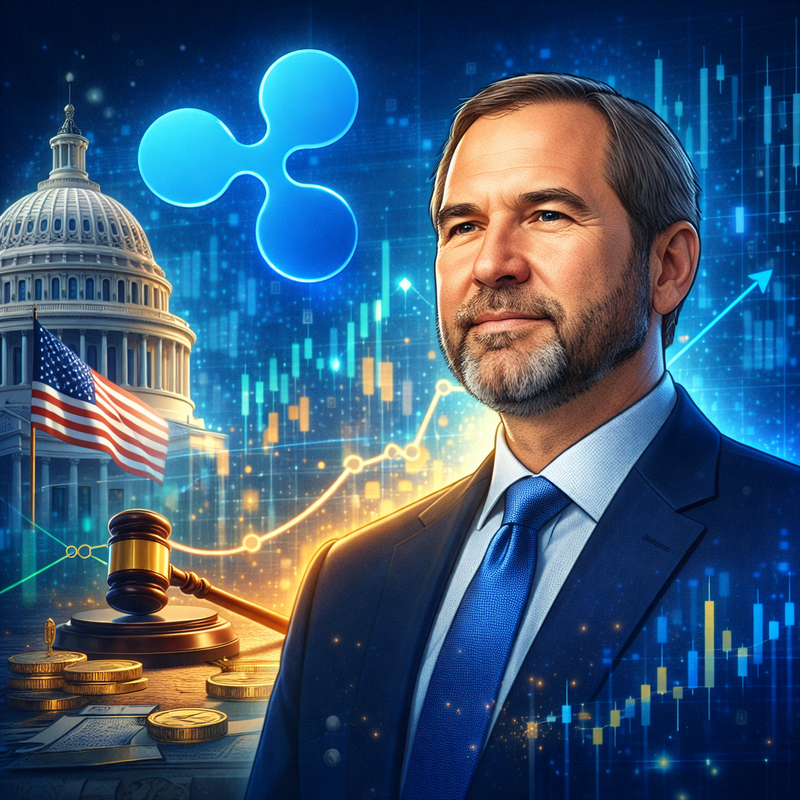
 ▲ Brad Garlinghouse, Ripple, XRP, cryptocurrency regulation, virtual assets / ChatGPT-generated image |
Ripple CEO Brad Garlinghouse strongly urged banks in the traditional financial sector to stop engaging in vested-interest disputes and participate in sincere negotiations in order to ensure the swift passage of the U.S. cryptocurrency market structure bill (CLARITY).
According to crypto-focused outlet U.Today on March 1 (local time), Garlinghouse recently criticized the passive stance taken by banks in ongoing negotiations at the White House over the U.S. cryptocurrency market structure bill. He emphasized that rather than delaying key provisions of the bill to protect their established interests, banks should act as partners in securing regulatory clarity for the digital asset industry. He noted that building an efficient financial system leveraging XRP is a task of the times.
Garlinghouse expressed concern that disagreements over issues such as stablecoin revenue-sharing in the current negotiations are hindering the bill’s passage. “We cannot let perfection be the enemy of progress,” he said, making clear that even if every provision is not perfect, a swift compromise is needed to end the current regulatory uncertainty. He added that coordination between industry leaders such as Coinbase CEO Brian Armstrong and the banking sector will be a key variable in the bill’s success.
The digital asset market has experienced significant price corrections since delays in processing the legislation began in late January. Garlinghouse warned that continued regulatory gaps could weaken the competitiveness of the U.S. digital asset ecosystem. Nevertheless, he expressed optimism of more than an 80% chance that the U.S. cryptocurrency market structure bill will pass by the end of April. The future trajectory of major assets, including XRP, is also expected to depend on the outcome of this legislation.
Garlinghouse assessed that banks have reached a point where they must move beyond their past rejection of digital asset technology and now actively embrace it. Citing changing attitudes among major investment banks such as Goldman Sachs, he argued that banks should cooperate in good faith within the framework established by the White House and Congress to enable fair competition in the market. He added that once regulatory clarity is secured, institutional capital inflows are likely to accelerate further.
Having experienced firsthand the importance of regulatory clarity through its prolonged battle with regulators, Ripple is positioning itself to play a pivotal role in the legislative process. Garlinghouse’s latest call is interpreted as both pressuring the banking sector to make a decisive move and signaling a strong determination to clear the final hurdle for the digital asset industry to become a core infrastructure of institutional finance.
Disclaimer: This article is for investment reference only, and we are not responsible for any investment losses incurred based on it. The content should be interpreted for informational purposes only.