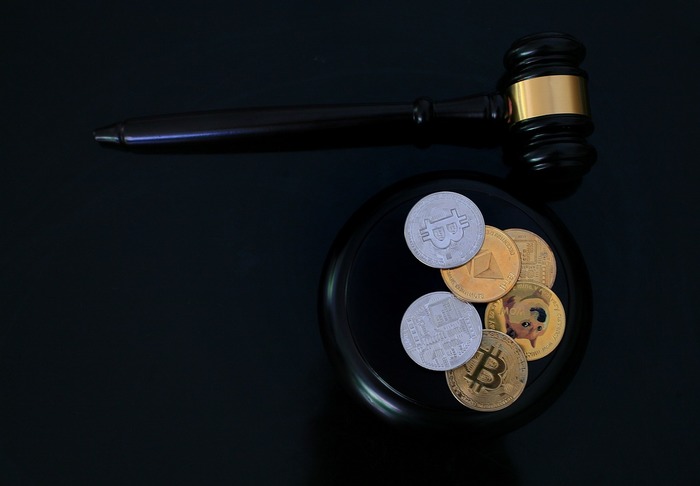
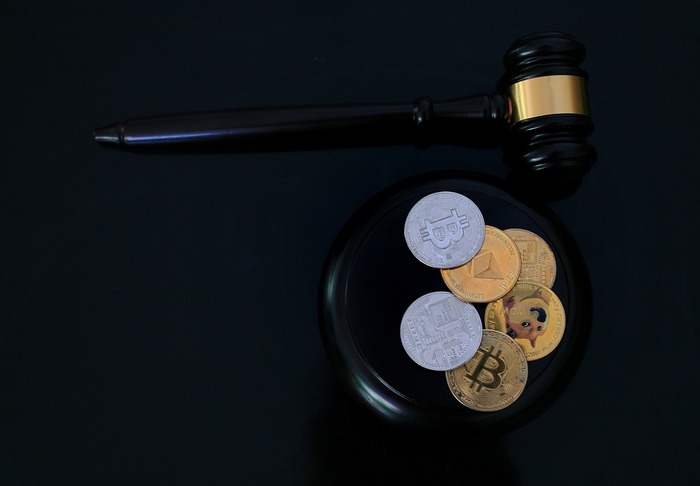
 ▲ Cryptocurrency Regulation |
Financial regulators in the United States and Japan have launched an unprecedented high-level strategic cooperation framework to enhance transparency in the virtual asset market and eradicate cross-border illicit transactions.
According to a February 28 report by cryptocurrency media outlet Bitcoin.com, the U.S. Securities and Exchange Commission (SEC) and Japan’s Financial Services Agency (JFSA) held high-level strategic talks aimed at fostering the healthy development of the crypto asset market and strengthening investor protection. During the meeting, both authorities focused on jointly addressing risks arising from the rapidly expanding virtual asset market and reinforcing supervisory authority over cross-border transactions. In particular, the two countries agreed to expand technical information sharing and real-time monitoring cooperation to close regulatory gaps and ensure the integrity of the global market structure.
Through the strategic dialogue, the United States and Japan plan to accelerate efforts to establish common standards for stablecoin regulation and market manipulation prevention. The United States is advancing institutional reforms through the GENIUS Act on stablecoin regulation and the CLARITY Act on cryptocurrency market structure, while Japan has already proactively built a stable asset management framework. Based on these legal foundations, regulators from both countries aim to unify issuers’ capital requirements and transparency standards to fundamentally block illicit fund flows exploiting global regulatory arbitrage.
An official from Japan’s Financial Services Agency stated, “Close cooperation with the United States is an essential step in setting global standards for the virtual asset market,” emphasizing that regulatory harmonization between the two nations will serve as a decisive turning point in enhancing market credibility. The SEC likewise assessed that the talks go beyond simple information exchange and represent a significant milestone in securing the stability of both financial systems while balancing innovation and regulation. At a time when institutional investors are demanding legal certainty, bilateral cooperation is expected to act as a key driver in accelerating large-scale institutional capital inflows.
Going forward, the two countries plan to hold regular working-level group meetings to refine licensing standards for virtual asset exchanges and custodians and jointly issue robust guidelines for consumer protection. As the administration of U.S. President Donald Trump maintains its stance of fostering virtual assets as a national strategic asset, the strategic partnership with Japan is likely to serve as a means of consolidating U.S. digital financial leadership. Both nations intend to concentrate their full efforts on maintaining the highest standards for anti-terrorism financing and anti-money laundering measures to minimize market uncertainty.
The high-level strategic dialogue between the United States and Japan is expected to mark an important first step toward integrating fragmented virtual asset regulatory environments and presenting a globally applicable regulatory framework. Investors are closely watching whether this cooperation will contribute to the market stability of major assets such as Bitcoin (BTC) and Ethereum (ETH) and establish a new global standard for virtual asset regulation. The strong supervisory commitment of both authorities is anticipated to elevate transparency in the virtual asset market and drive sustainable growth.
Disclaimer: This article is for investment reference only, and no responsibility is assumed for investment losses resulting from its use. The content should be interpreted for informational purposes only.