 ▲ Ripple (XRP) © |
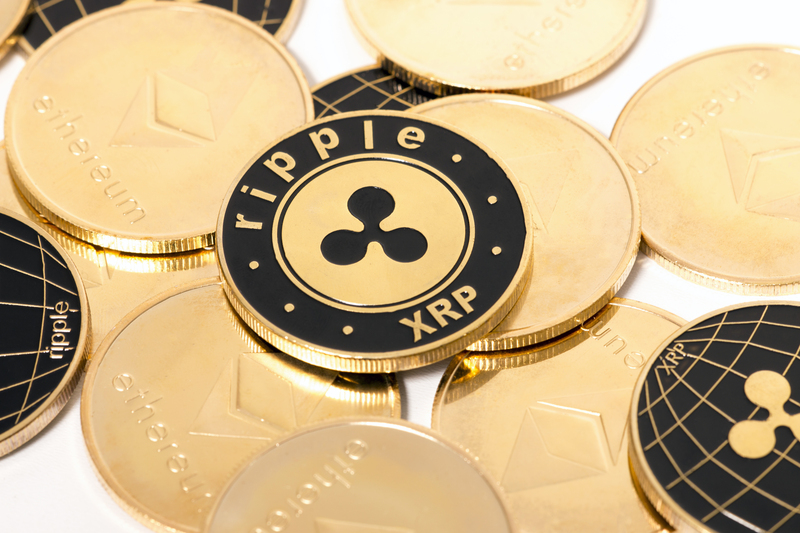
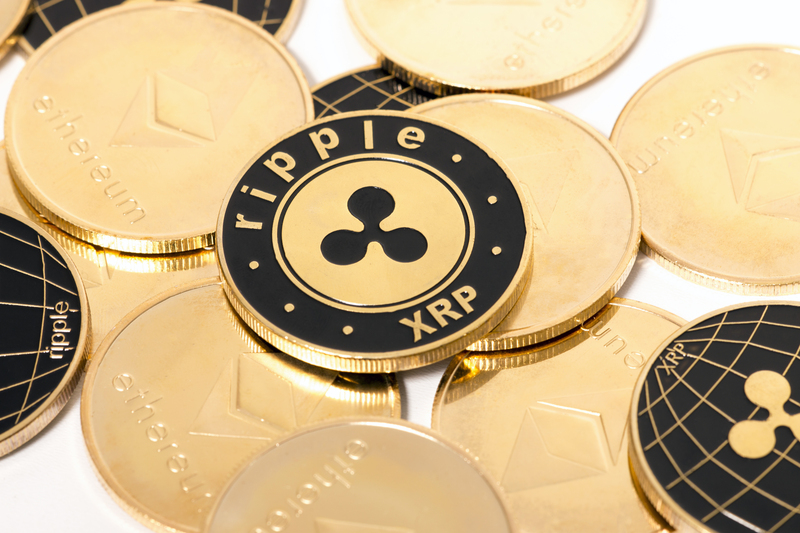
XRP (Ripple) staged a powerful rebound of more than 20% in a single day as whale accumulation, a surge in network metrics, and an institutional DeFi strategy converged after the token emerged from a post-crash capitulation phase.
According to cryptocurrency-focused outlet CoinGape on February 6 (local time), XRP’s price bottomed at $1.15 immediately after Bitcoin (BTC) plunged to the $60,000 level, then rebounded sharply to reclaim the $1.50 range, climbing over 20% in a day. With this surge, XRP recorded the largest gain among the top five cryptocurrencies by market capitalization.
On-chain data clearly captured whale activity. Santiment, an on-chain analytics platform, reported that during the sharp market sell-off the previous day, a total of 1,389 XRP whale transactions exceeding $100,000 occurred. This marked the highest level in the past four months and is generally interpreted as a precursor to a price reversal. In fact, XRP saw rapid buying pressure in this zone, displaying a sharp snapback.
Network activity metrics also supported the rebound. According to Santiment, the number of unique addresses on the XRP Ledger (XRPL) surged to 78,727 on an eight-hour basis, the highest level in the past six months. This suggests that distributed accumulation by both institutions and retail traders took place simultaneously. The outlet evaluated both the spike in whale transactions and the expansion of unique addresses as key signals of a price reversal.
From a fund flow perspective, XRP also showed relative strength. Data from SoSoValue indicated that XRP spot ETFs recorded net inflows of approximately $6 million the previous day. This contrasted with outflows seen from Bitcoin and Ethereum spot ETFs on the same day, demonstrating a selective shift of market capital into XRP.
Adding to the bullish catalysts was Ripple’s newly unveiled institutional DeFi strategy. Ripple announced plans to sequentially introduce permissioned decentralized exchanges (DEXs), lending protocols, smart escrow, and confidential transfer features built on XRPL, positioning XRP as the “core asset” across all structures. XRP is designed to act as an automatic bridge connecting settlements between stablecoins and tokens, expanding its use cases across foreign exchange, remittances, liquidity, and credit markets. Ripple framed XRP not as a simple payment tool, but as a core protocol token linking real-world financial infrastructure.
Market participants view the surge as the result of a technical rebound formed after the sharp sell-off, combined with improved supply-demand dynamics. With whale accumulation, a spike in network activity, ETF fund inflows, and an institutional DeFi strategy all gaining attention at once, XRP demonstrated the strongest short-term rebound momentum. However, given the highly volatile environment, whether prices can stabilize after the rebound remains the next key point to watch.
Disclaimer: This article is for investment reference only, and no responsibility is taken for any investment losses based on this information. The content should be interpreted solely for informational purposes.