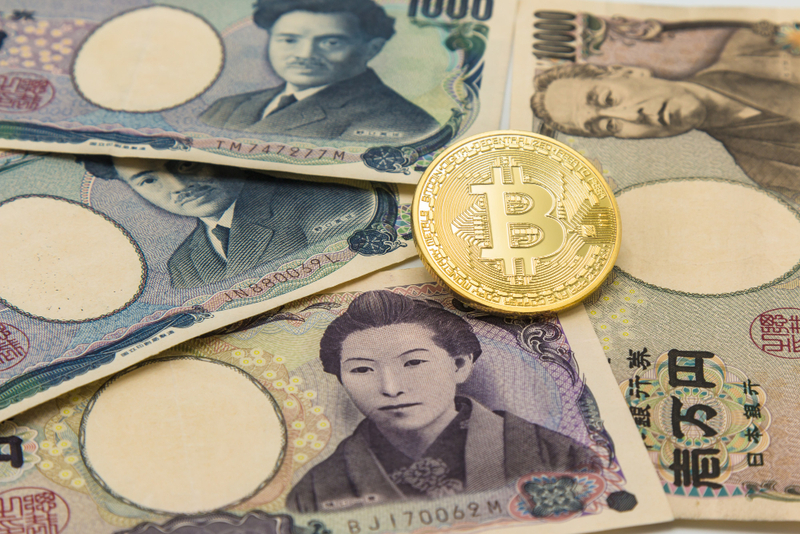
 ▲ Bitcoin (BTC), Japanese yen |
Japan’s massive household cash holdings are expected to flow into the virtual asset market following regulatory easing and tax reforms, becoming a significant source of liquidity capable of reshaping the global financial landscape.
Sota Watanabe, CEO of Web3 solutions firm Startale Group, emphasized in a March 1 (local time) interview with crypto-focused YouTube channel Paul Barron Network that structural changes in the Japanese market could have far-reaching effects on digital assets, including Bitcoin (BTC). Watanabe noted that political stability has been strengthened as the ruling party secured a parliamentary majority, accelerating what he described as a government-led on-chain revolution. He projected that with 55% of Japanese household assets held in cash, capital movement aimed at hedging against inflation will soon gain momentum.
Taxation, currently the biggest obstacle in Japan’s digital asset market, is also moving toward resolution. Watanabe explained, “There are discussions to lower the cryptocurrency tax rate from the current maximum of 55% to 20%, in line with financial assets,” adding that if implemented, the policy would lower entry barriers for both individual and institutional investors. He also revealed plans to issue a Japanese yen stablecoin based on a trust bank license, a model designed to overcome transaction limits tied to traditional payment licenses and expected to play a key role in global asset management.
Soneium, an Ethereum (ETH) Layer 2 network being developed in collaboration with Sony, has been identified as a core platform for driving mainstream adoption of digital assets. Watanabe stated, “By leveraging Sony’s powerful entertainment intellectual property and distribution channels, we will naturally onboard mainstream users who may not even be aware they are using blockchain technology.” He added that through A-stream, a Layer 1 blockchain co-developed with SBI Group, efforts are also underway to tokenize real-world assets such as stocks and gold.
Regarding global market catalysts, Watanabe analyzed that the passage of the U.S. crypto market structure bill (CLARITY) would have a greater impact than interest rate fluctuations. He highlighted that entertainment-focused mini apps linked to Soneium are scheduled for official launch by the end of March 2026, which is expected to significantly expand real-world use cases. Institutional investors in Japan are reportedly showing greater interest in Ethereum than Bitcoin, and as the asset tokenization market matures, the scale of the on-chain economy is projected to reach trillions of dollars.
As Japan’s financial regulatory framework is refined and major corporations accelerate blockchain infrastructure development, the digital asset market is approaching a new turning point. With practical financial services such as yen stablecoins and stock tokenization being implemented on-chain, Japan is solidifying its status as a global digital asset hub beyond Asia. The initiatives led by companies such as Sony and SBI are viewed not merely as technological experiments, but as significant milestones in integrating traditional financial systems with blockchain technology.
Disclaimer: This article is for investment reference only and we assume no responsibility for any investment losses resulting from its use. The content should be interpreted for informational purposes only.